Carlton Furniture Windermere Small Monastery Extending Dining Table Grey Finish
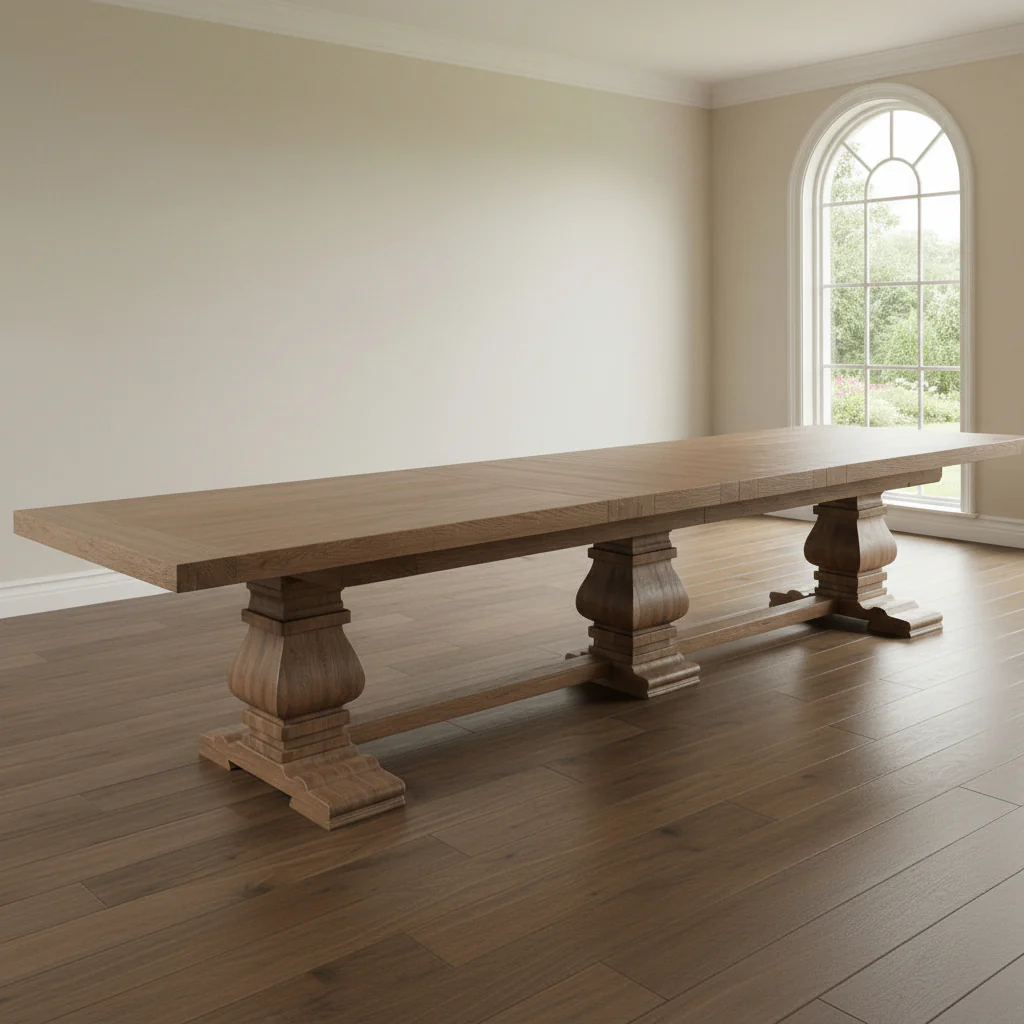
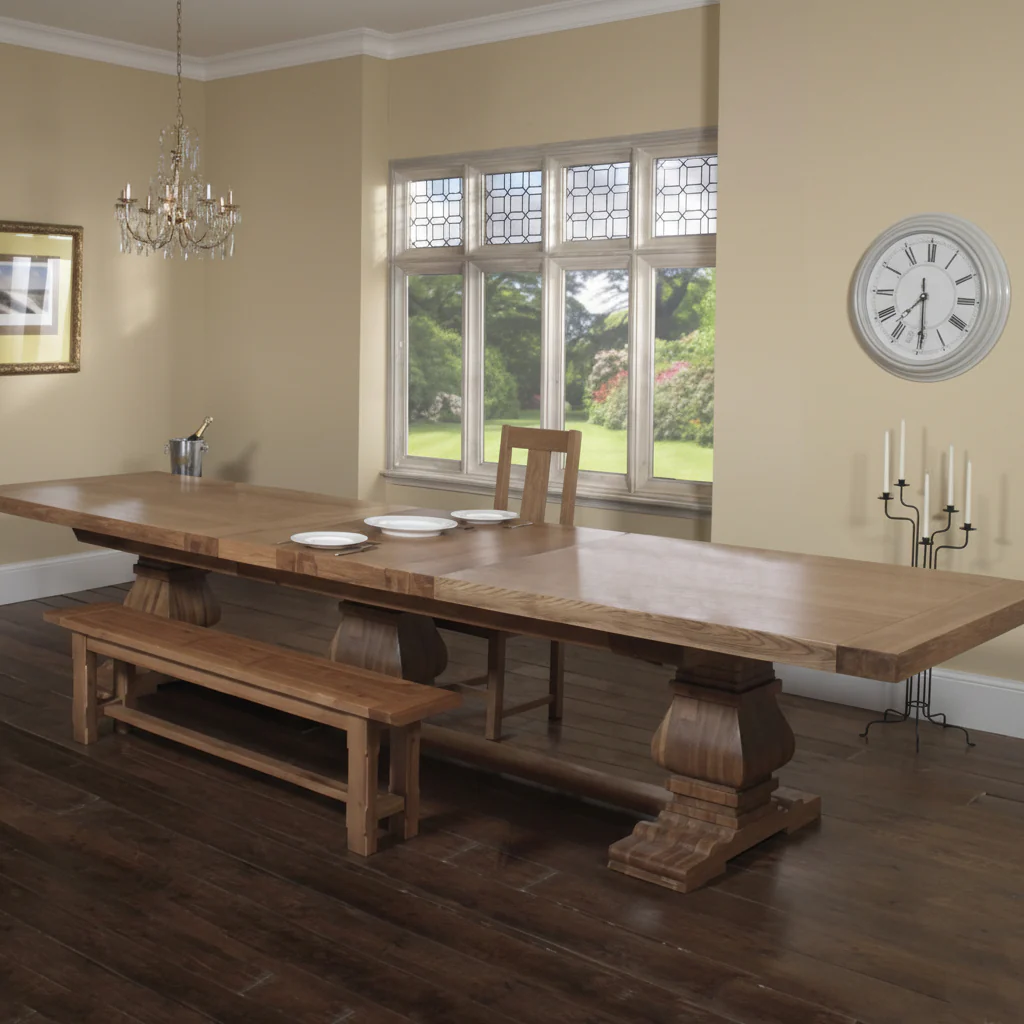
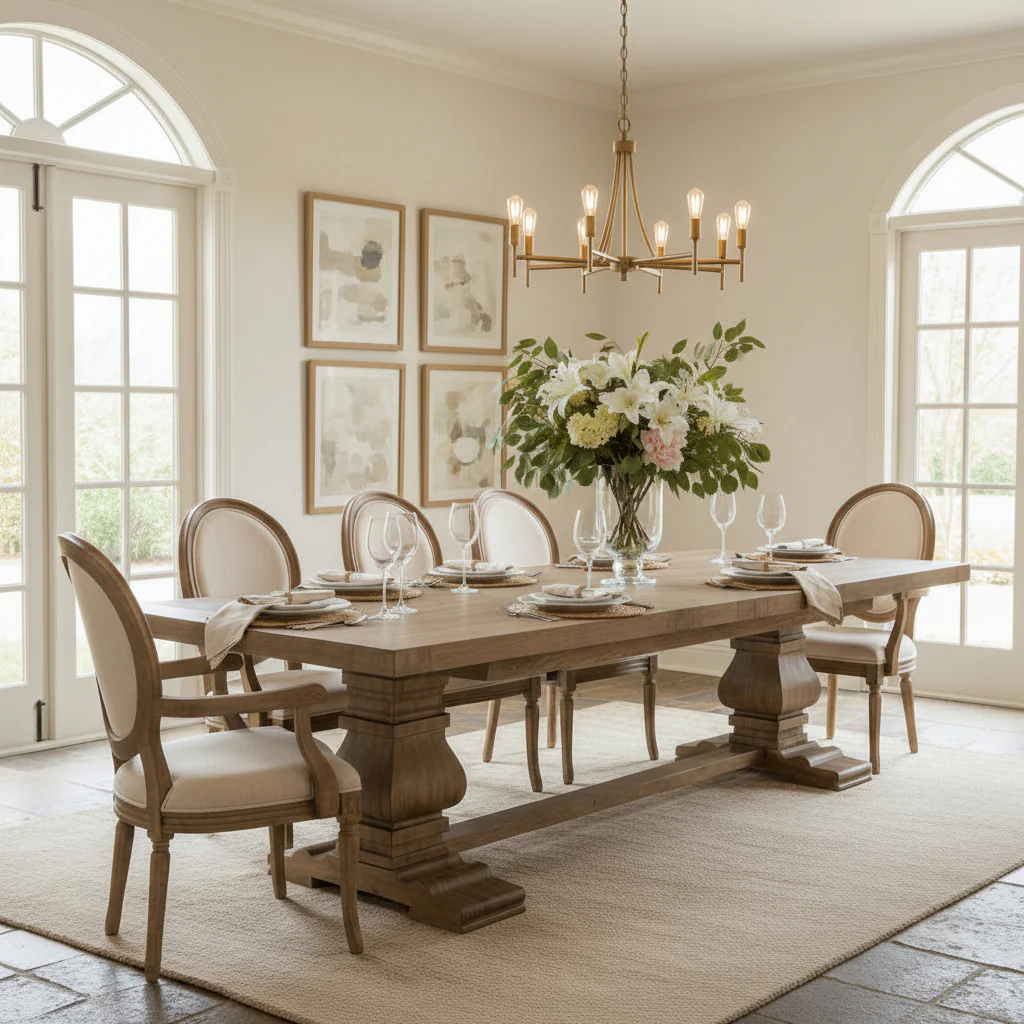
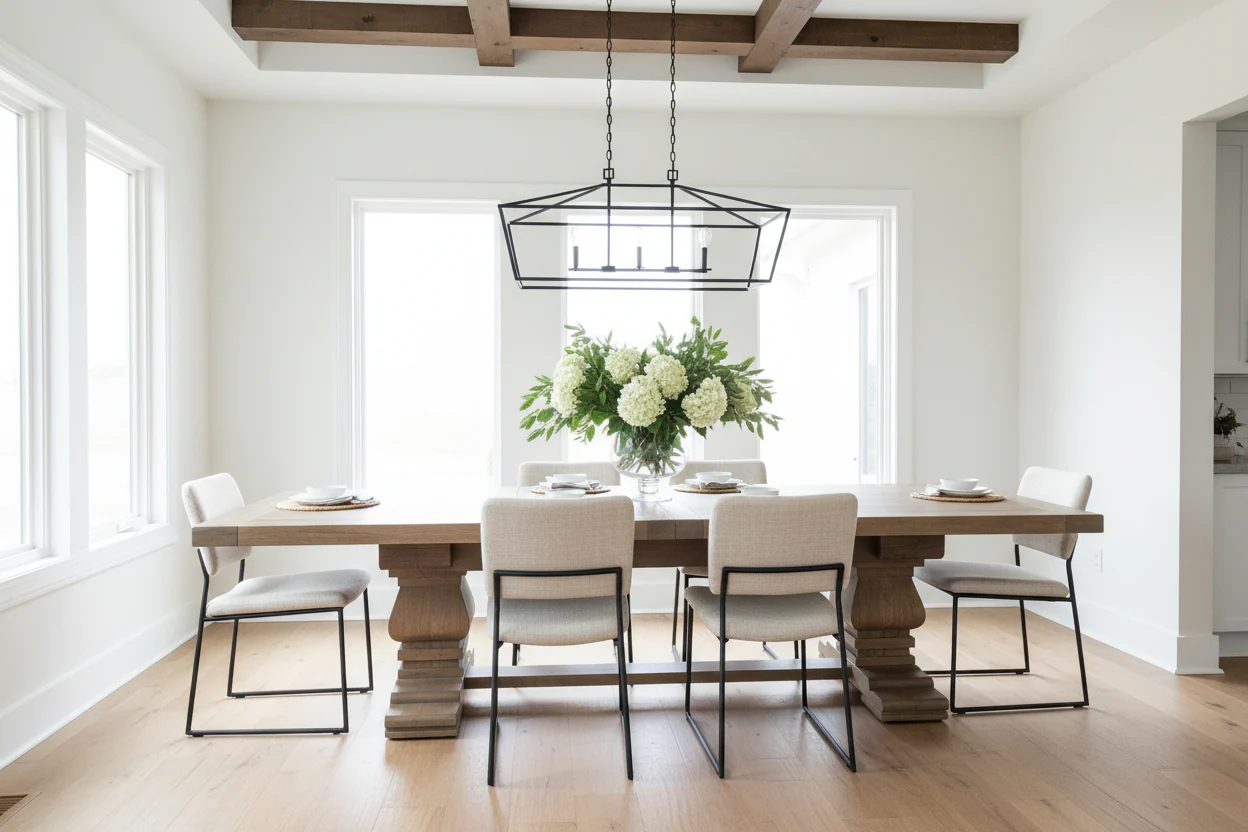
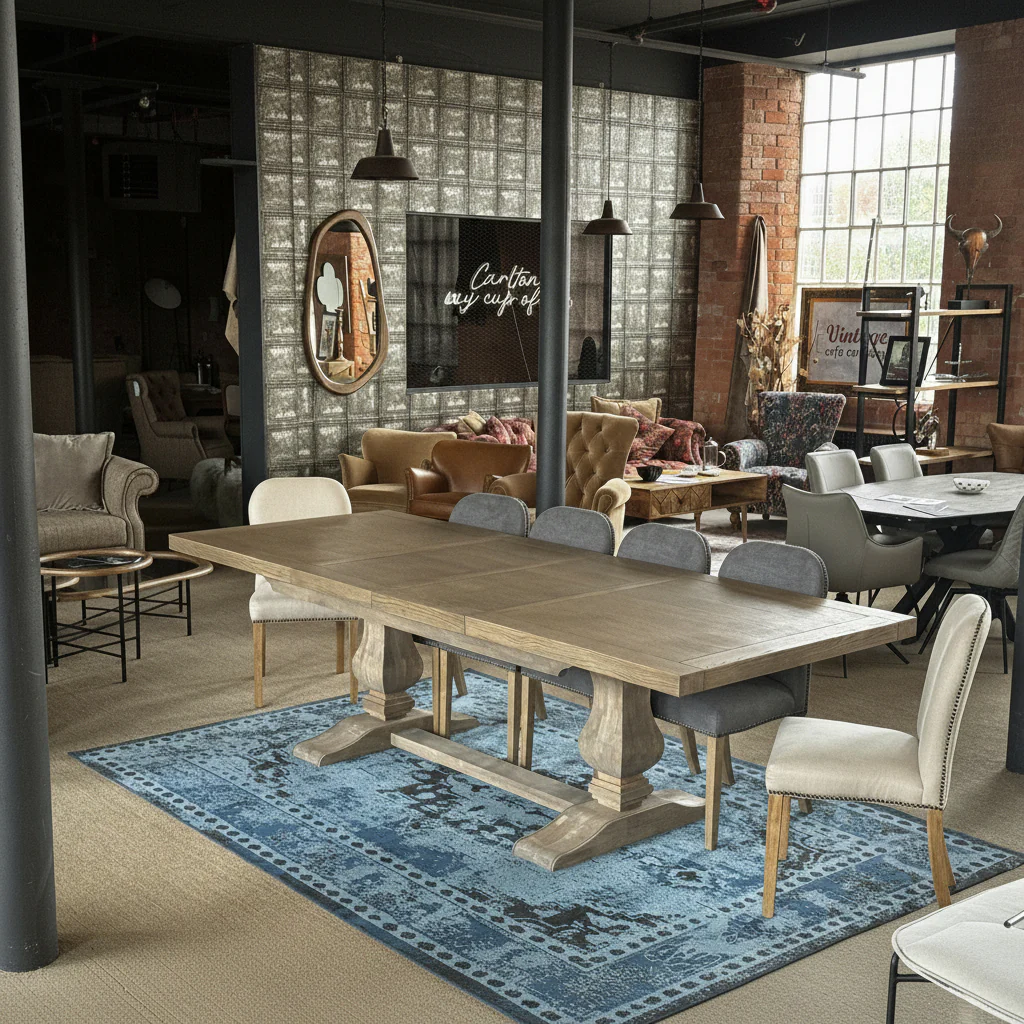
For homes that like the look of monastery dining tables but do not need the footprint of a much larger piece, the Windermere Small Monastery Extending Dining Table strikes a much better balance. It has the depth, thickness and turned pedestal detail that give this style its character, but the proportions feel more manageable and more versatile in day-to-day use.
The grey finish shifts the mood in a useful way. It softens some of the heaviness that can come with traditional oak dining furniture and gives the table a calmer, more contemporary edge. That makes it easier to place in interiors that mix classic shapes with cleaner lines, muted colours or more modern lighting, while still keeping the warmth and texture that make oak feel inviting.
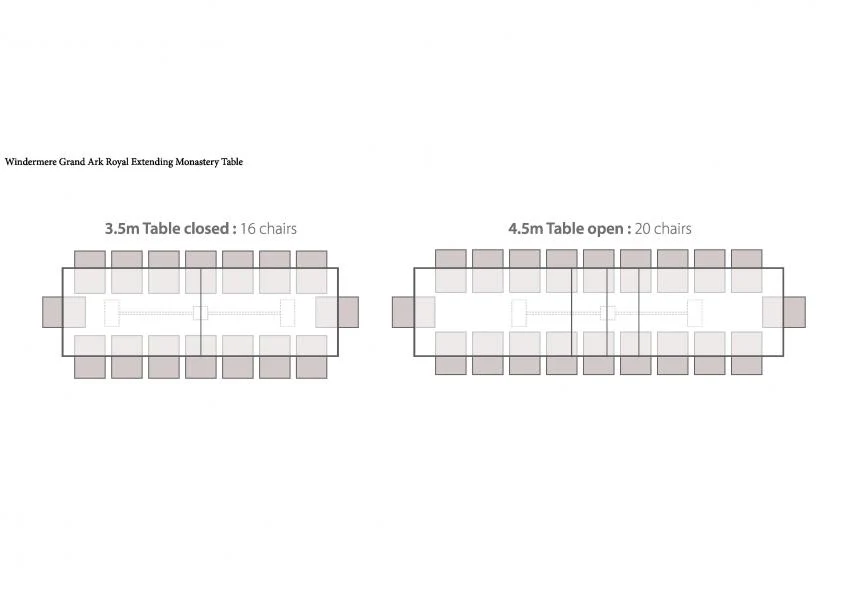
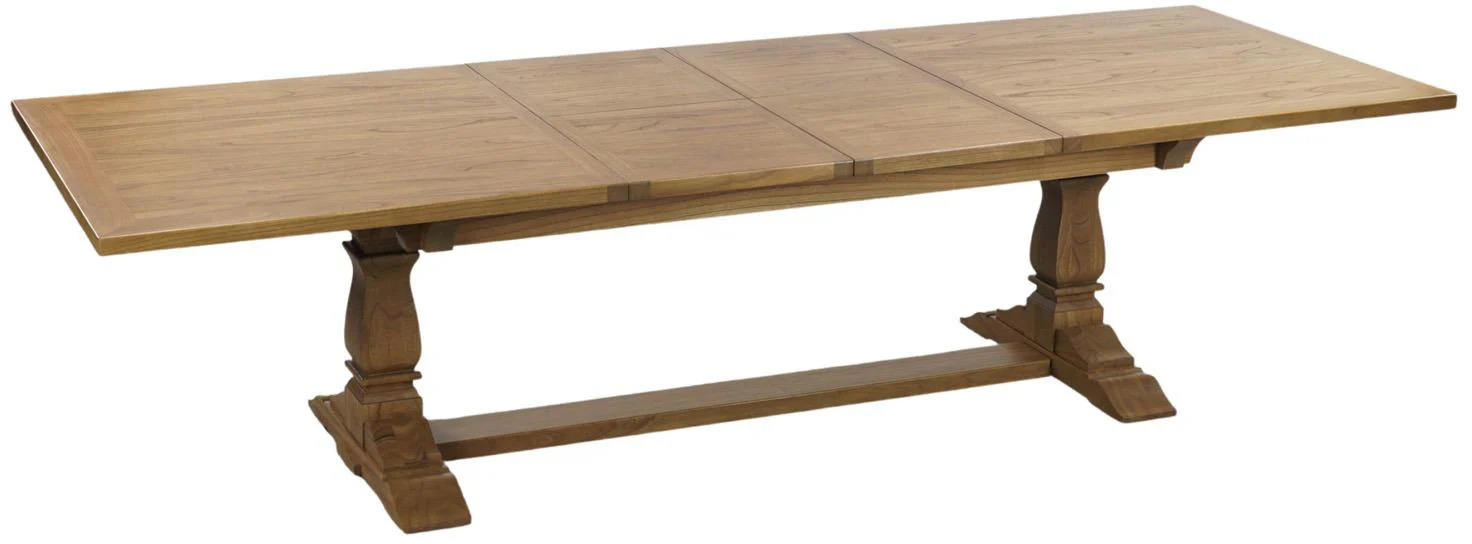
Its extending design is a big part of the appeal. At 180cm it works well as a generous everyday dining table, then opens out to 240cm or 280cm when you need more room around the table. That gives it a flexibility a fixed monastery table cannot offer, especially in homes where the dining space needs to handle both regular family use and larger occasions through the year.
The pedestal base also helps practically as well as visually. It gives the table a more anchored, furniture-led feel, but keeps seating more workable than a design with legs fixed in the corners. Altogether, this is a table with clear character, but it does not feel overblown. It is substantial, useful and easier to live with than many heavier refectory-style designs.
Product Information
Product Information
Shipping & Returns
Shipping & Returns
Description
For homes that like the look of monastery dining tables but do not need the footprint of a much larger piece, the Windermere Small Monastery Extending Dining Table strikes a much better balance. It has the depth, thickness and turned pedestal detail that give this style its character, but the proportions feel more manageable and more versatile in day-to-day use.
The grey finish shifts the mood in a useful way. It softens some of the heaviness that can come with traditional oak dining furniture and gives the table a calmer, more contemporary edge. That makes it easier to place in interiors that mix classic shapes with cleaner lines, muted colours or more modern lighting, while still keeping the warmth and texture that make oak feel inviting.
Its extending design is a big part of the appeal. At 180cm it works well as a generous everyday dining table, then opens out to 240cm or 280cm when you need more room around the table. That gives it a flexibility a fixed monastery table cannot offer, especially in homes where the dining space needs to handle both regular family use and larger occasions through the year.
The pedestal base also helps practically as well as visually. It gives the table a more anchored, furniture-led feel, but keeps seating more workable than a design with legs fixed in the corners. Altogether, this is a table with clear character, but it does not feel overblown. It is substantial, useful and easier to live with than many heavier refectory-style designs.